Trending

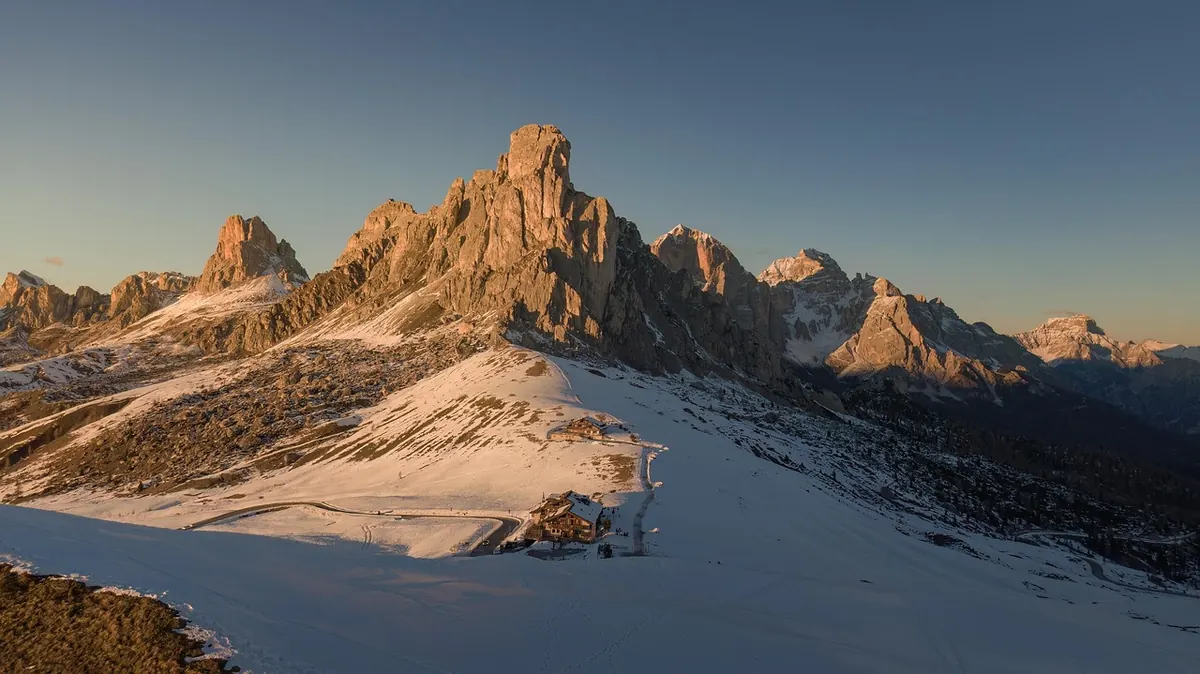
Both regions will give you postcard views, serious vertical and a week you will talk about for years. The difference is where the money goes. In the Dolomites, the big expense tends to be getting there and the lodging you choose; in the Swiss Alps, the mountain itself is priced like the premium product it is. Neither region is cheap, and neither is out of reach — but they reward different kinds of travellers. Here is how the four main cost lines actually compare, and how to work out which one suits your budget.
The Dolomites work on scale. A single pass — the Dolomiti Superski — links a dozen valleys and dozens of resorts, so you can ski Val Gardena one morning and Alta Badia the next without buying anything new. Multi-day passes bring the daily rate down further, and because the network is so large, you rarely feel pushed into a single expensive mountain.
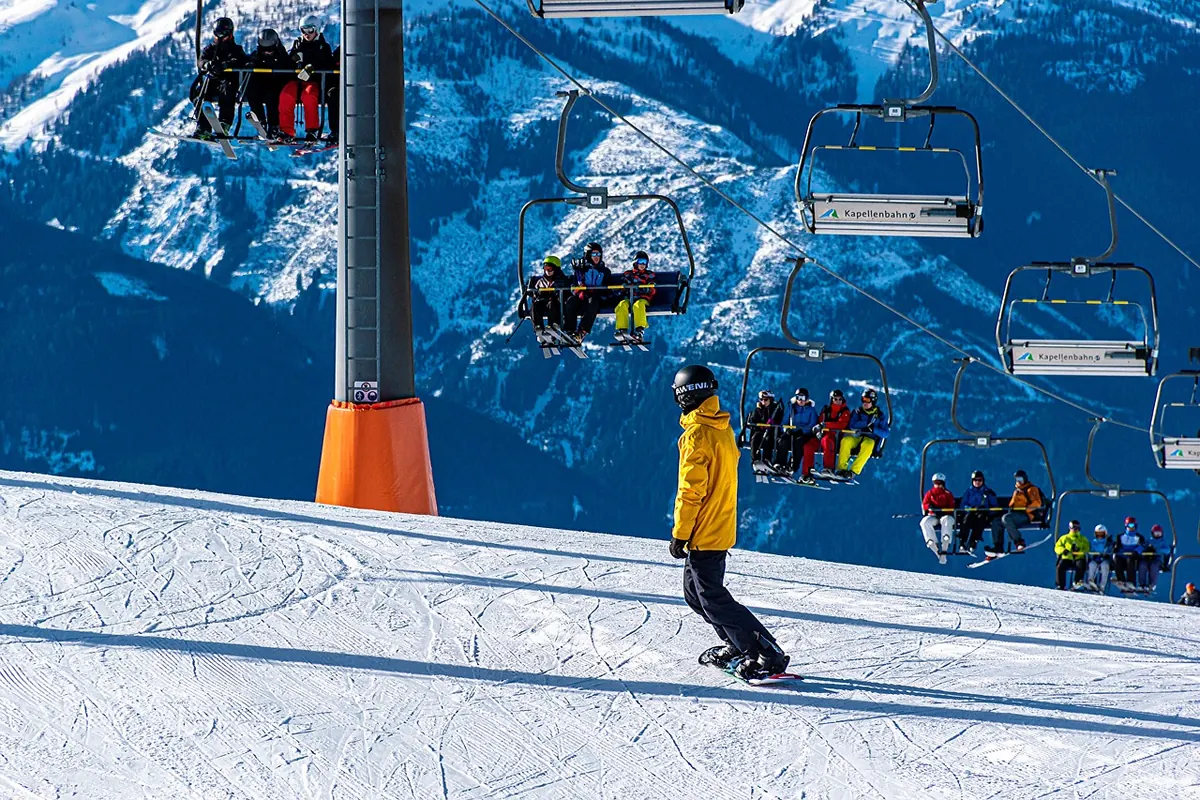
Switzerland works on prestige. Several of its best-known resorts are effectively closed systems with their own pass, and day rates are broadly among the highest in Europe. The upside is that Swiss lift companies are unusually good at packaging: multi-day passes, half-day tickets, pedestrian passes for non-skiers, and regional season products that can be genuinely good value if you buy early. The Magic Pass, sold in spring for the following winter, is the classic example — worth checking if your dates are flexible.
Practical takeaway: for a family of four skiing five or six days, the pass line alone often creates the biggest single gap between the two regions. Get exact current prices from the lift company's own website before you commit — they change every season, and early-booking discounts are real.
Accommodation is the line item that decides most trips, and it is also where the two regions diverge most sharply.
The strength here is range. Alongside four-star spa hotels you will find garni bed-and-breakfasts, family-run guesthouses, farm stays and a deep supply of self-catering apartments in valley towns. Because the valleys are long and well served by ski buses, staying one village away from the lifts can cut your bill noticeably without adding much hassle. Cortina, Val di Fassa and Val Gardena all offer this mix.
Switzerland has a higher price floor. Even modest three-star rooms in famous villages cost what a good hotel costs elsewhere, and half-board is often the only sensible option in smaller properties. The workarounds are well known to regulars: stay in a lower valley village and take the train or bus up, book a self-catering apartment, or choose a less famous resort in the same snow-sure region. Zermatt's neighbour Täsch is the textbook example — you park, ride up, and save.
One rule applies in both regions: a cheap lift pass in an expensive village is not a cheap holiday. Compare the total, not the headline.
This is closer than people expect, and it is where the Dolomites quietly win. Italian mountain huts — rifugi — serve proper plates of pasta, polenta and soup at prices that feel reasonable for a sit-down lunch at altitude. Swiss hut food is good, but a bowl of soup, a plate of rösti and two drinks can easily cost what a full lunch costs on the Italian side.
In the villages the gap widens. Swiss supermarkets are expensive by European standards, and eating out three times a day adds up fast. In Italy, an evening pizza or a plate of canederli in a family-run trattoria is still an affordable habit.
Tip: budget breakfast and lunch yourself and spend on dinner. In both regions this single habit saves more than any pass discount.
The Dolomites are served by several gateway airports — Bergamo, Verona, Venice, Treviso, Innsbruck and Munich all work — which keeps flight competition healthy. Car hire is reasonably priced, and a car gives you the freedom to chase the best snow across valleys. You will pay for parking and, in some villages, a local tourist tax.
Switzerland is easier without a car and more expensive with one. The rail network reaches virtually every resort, and Swiss public transport is a pleasure to use — but it is priced accordingly. Look carefully at the Half-Fare Card versus the Swiss Travel Pass and do the arithmetic for your exact itinerary, because the right answer depends entirely on how many mountain railways you plan to ride. If you do drive, remember the motorway vignette is compulsory.
Beyond the four big lines, the small stuff decides whether you come home relaxed or wincing. These habits work in both regions:
Choose the Dolomites if you want the lowest total cost for a ski week, if you are travelling as a family or a group, if you value food and atmosphere as much as vertical, and if you are happy to drive or take a shuttle from the airport. The combination of a single multi-valley pass, plentiful apartments and reasonable hut lunches is hard to beat.
Choose the Swiss Alps if you want iconic scenery and village architecture, if you prefer trains to rental cars, if you are skiing as a couple with a generous per-day budget, or if you can commit early to a season product like the Magic Pass. Switzerland is also the better bet if you want a shorter, higher-impact trip — three days in a famous resort costs less than a week, and the transport network makes short breaks genuinely practical.
A middle path exists too: base yourself in a cheaper Italian or Austrian valley and day-trip towards the Swiss border, or split a week between the two. It is more driving, but it answers the question with your own bank statement rather than someone else's opinion.
Set a target cost per person per day, then fill in four numbers for one specific week: the lift pass, the lodging, an honest food estimate and the return journey. Do it for one Dolomites valley and one Swiss resort you actually like the look of. Prices shift each season and vary enormously between resorts, so use the official lift-company and tourist-board websites rather than a comparison blog written three winters ago.
When the totals are side by side, the decision usually makes itself. And if the Swiss figure comes out far above your ceiling, do not abandon the idea — shorten the trip, move down the valley, or shift to a less famous resort. The mountains are the same. Only the invoice changes.
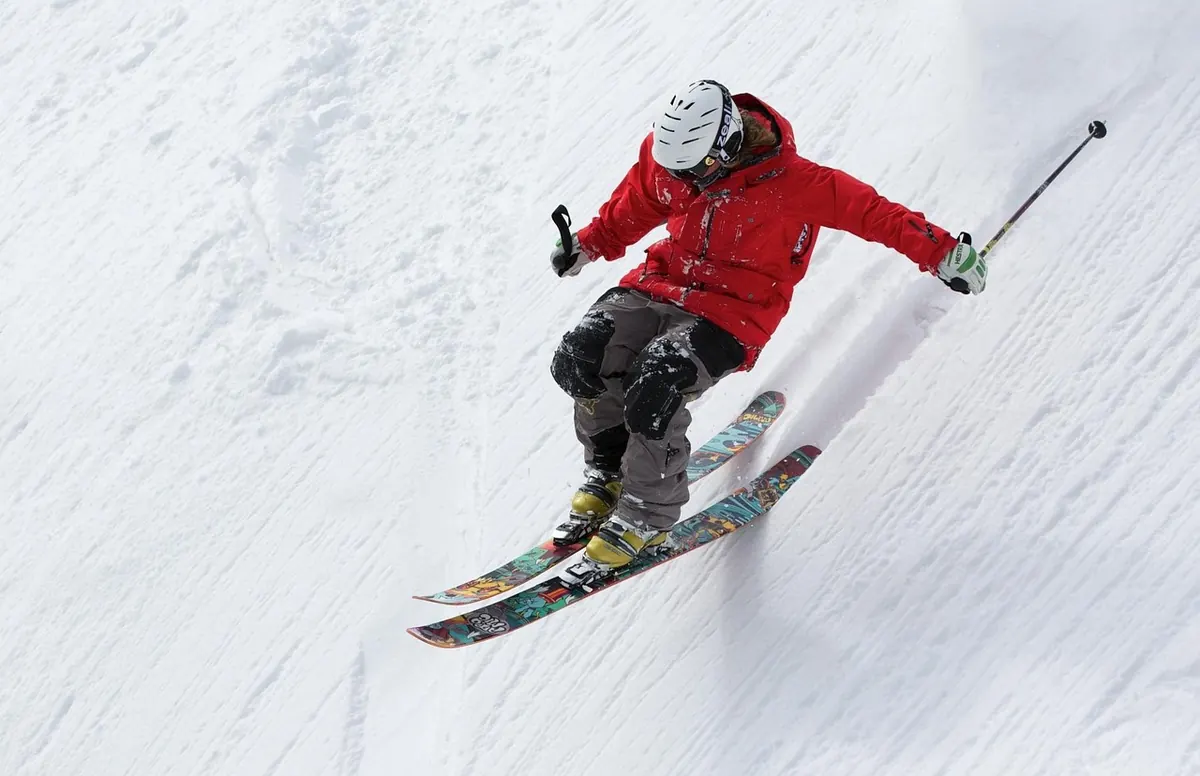
Photo: Up-Free / Pixabay